Bathroom Remodel Cost Guide: What Homeowners Should Budget For
See the biggest bathroom remodel cost factors, including tile, labor, fixtures, vanities, showers, and hidden expenses — with real cost ranges by project scope.
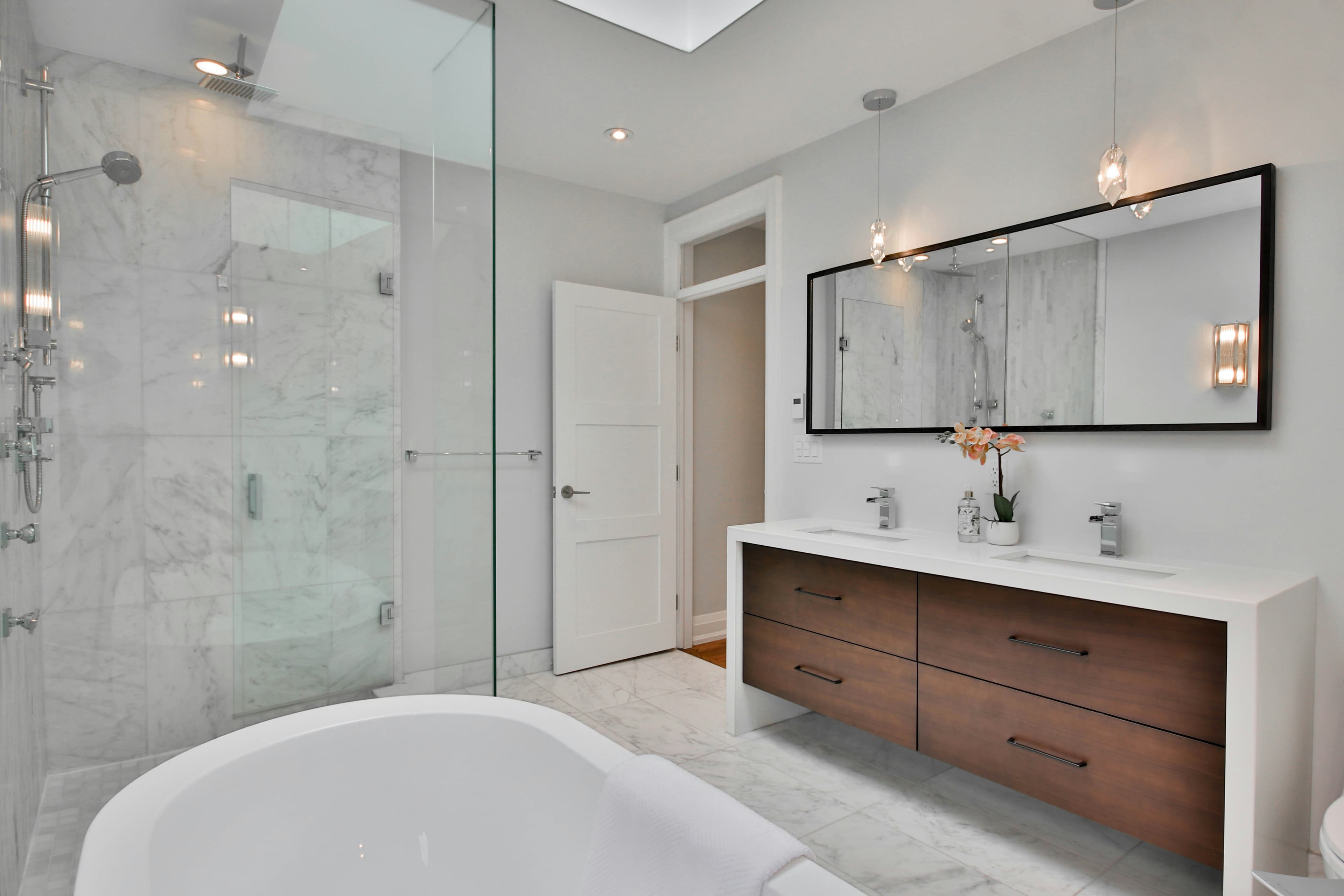
Bathroom remodel costs range from $2,500 for a cosmetic refresh to $40,000 or more for a luxury gut renovation. The wide range exists because almost every variable — scope, materials, labor market, and whether water damage is lurking behind the walls — affects the final number.
This guide breaks down exactly where your money goes, which decisions move the needle most, and what hidden costs catch homeowners off guard.
Get a Free Bathroom Remodel Estimate
Answer a few questions about your bathroom and get an instant cost range with local pricing for your state.
Estimate My Bathroom →Average Bathroom Remodel Costs
| Project Scope | Typical Cost Range |
|---|---|
| Cosmetic refresh (paint, fixtures, accessories) | $1,500–$4,000 |
| Partial remodel (one or two areas) | $4,000–$10,000 |
| Full gut remodel — small bathroom | $8,000–$18,000 |
| Full gut remodel — standard full bath | $12,000–$25,000 |
| Full gut remodel — master bath | $20,000–$40,000 |
| Luxury master bath | $40,000–$80,000+ |
The national average for a full bathroom remodel sits around $10,000–$15,000. Your actual cost depends on bathroom size, how much you're keeping vs. replacing, and local labor rates.
Cost by Bathroom Size
Square footage matters, but bathroom types also correlate with fixture counts and complexity.
| Bathroom Type | Sq Ft | Typical Full Remodel Cost |
|---|---|---|
| Half bath (powder room) | 15–35 sq ft | $2,500–$8,000 |
| Small full bath (1 tub/shower) | 35–60 sq ft | $6,000–$15,000 |
| Standard full bath | 60–100 sq ft | $10,000–$22,000 |
| Master bath (double vanity) | 100–150 sq ft | $18,000–$35,000 |
| Luxury master suite | 150+ sq ft | $30,000–$75,000+ |
The Biggest Cost Drivers
Tile Work
Tile is typically the largest single material cost in a bathroom remodel. The combination of floor tile, shower walls, and any accent work adds up fast — both in materials and in the specialized labor required.
Tile cost breakdown:
| Area | Materials (per sq ft) | Labor (per sq ft) |
|---|---|---|
| Floor tile | $2–$10 | $5–$12 |
| Shower wall tile | $3–$15 | $10–$25 |
| Backsplash/accent | $4–$20 | $8–$20 |
A 60 sq ft bathroom floor at mid-range porcelain costs $300–$600 in materials plus $300–$720 in labor. Add a full shower tile surround and you're looking at another $600–$2,000 in materials and $800–$2,500 in labor.
Calculate Your Tile Quantities
Not sure how much tile you need? Use the tile calculator to get exact quantities for your floor and shower walls.
Open Tile Calculator →Fixtures and Fittings
Fixtures are where you can go from budget to luxury quickly. Here's what to budget at three price points:
| Fixture | Budget | Mid-Range | Premium |
|---|---|---|---|
| Toilet | $150–$300 | $300–$700 | $700–$2,500 |
| Vanity (30") | $200–$500 | $500–$1,500 | $1,500–$5,000 |
| Sink + faucet | $100–$300 | $300–$700 | $700–$2,500 |
| Tub/shower combo | $300–$800 | $800–$2,500 | $2,500–$8,000 |
| Walk-in shower | $800–$2,000 | $2,000–$6,000 | $6,000–$20,000+ |
| Lighting | $100–$300 | $300–$900 | $900–$3,000 |
| Mirror/medicine cabinet | $75–$200 | $200–$600 | $600–$2,000 |
Labor Costs
Labor typically runs 40–65% of total bathroom remodel cost. Expect to pay:
- Tile setter: $5–$25/sq ft (floor is cheaper; shower is expensive)
- Plumber: $75–$150/hr — fixture swap is minimal; pipe relocation adds $500–$3,000+
- Electrician: $75–$150/hr — required for any new circuits or GFCI additions
- General contractor: Adds 15–25% markup on top of subcontractor costs but handles coordination and accountability
Pro tip: The biggest labor savings come from keeping plumbing in place. Moving a toilet even three feet can add $500–$2,000 because of drain rough-in requirements.
Permits
Most municipalities require permits when moving plumbing, adding electrical circuits, or making structural changes. Budget $200–$1,000 for permits depending on your location and scope.
Hidden Costs Most Homeowners Overlook
These items don't appear in the initial quote but show up regularly once walls are opened:
1. Water damage and mold
Opening walls in a bathroom frequently reveals rot, mold, or damaged subfloor from years of moisture infiltration. Remediation adds $500–$5,000+ depending on severity. Budget at least 15% contingency for an older bathroom.
2. Subfloor replacement
Moisture-damaged subfloor is one of the most common surprises. Replacing 50 sq ft of subfloor costs $300–$800 in materials and labor.
3. Cement board and waterproofing
Shower walls require moisture-resistant cement board, not standard drywall. If the existing walls used regular drywall (common in older homes), this needs to be replaced. Materials run $1.50–$4/sq ft installed. A proper shower waterproofing membrane adds $200–$600.
4. Frameless glass shower door
Often quoted separately — or not at all in early estimates. A frameless glass enclosure adds $800–$2,500+.
5. Exhaust fan upgrade
Older homes often have undersized or failing ventilation. A proper replacement fan costs $100–$400 installed. Modern code in many areas requires 1 CFM per square foot of bathroom area.
6. Toilet rough-in mismatch
If you're replacing a toilet, the rough-in distance (12" is standard, but 10" and 14" exist) must match. A non-standard rough-in limits toilet selection — verify before purchasing.
What Actually Moves the Budget Up or Down
Keeps costs down:
- Keep the toilet and shower drain in place (no plumbing rerouting)
- Use in-stock tile sizes (12×12, 18×18) and standard colors
- Resurface the tub instead of replacing it ($200–$600 vs. $2,000+)
- Buy vanity and fixtures direct from suppliers or online (skip the contractor markup)
- DIY demo, painting, and touch-up work
Pushes costs up:
- Moving any plumbing (drain lines especially)
- Curbless walk-in shower (requires waterproofing the entire shower floor)
- Heated floor system ($8–$15/sq ft installed)
- Subway tile in a stacked vertical pattern (labor-intensive)
- Custom built-ins or recessed niches
Return on Investment
Midrange bathroom remodels return approximately 60–67% of cost at resale, according to the Remodeling Cost vs. Value report. Upscale master bath remodels return around 55%. The best ROI comes from bringing a poor-condition bathroom up to neighborhood standard — not from adding luxury in a mid-tier neighborhood.
Get Your Personalized Estimate
Use BuildCost's free estimator for a detailed cost breakdown with pricing specific to your state.
Start My Estimate →Frequently Asked Questions
What's the most expensive part of a bathroom remodel? Labor is usually the largest line item, accounting for 40–65% of total cost. Within materials, the shower system (walls, base, door, plumbing fixtures) and vanity cabinet are typically the most expensive items.
Can I remodel a bathroom for $5,000? Yes, for a small bathroom with limited scope. A realistic $5,000 budget could cover: new toilet ($250), new vanity and faucet ($600), paint and accessories ($300), floor tile materials and installation ($600–$1,000), and basic labor for fixture swap and prep ($1,500–$2,000). It won't include a new shower, full tile work, or any structural changes.
How long does a bathroom remodel take? A full gut remodel of a standard bathroom typically takes 2–4 weeks. Factor in 1–2 extra days for drying time after setting tile. If water damage is found during demo, add 1–2 weeks. Cosmetic refreshes — new fixtures, paint, and accessories — can be done over a long weekend.
Should I hire a general contractor or manage subcontractors myself? GCs add 15–25% overhead but handle scheduling, coordination, and carry the liability if something goes wrong. Managing subs yourself saves that markup but requires knowledge, availability, and willingness to deal with scheduling conflicts. For remodels over $15,000 or involving plumbing and electrical, a GC is usually worth it.
What permits do I need for a bathroom remodel? Permit requirements vary by municipality. Generally, permits are required when moving or adding plumbing, adding or modifying electrical circuits, or making structural changes. Cosmetic work (new tile, fixtures, paint) typically doesn't require a permit, but always verify with your local building department — unpermitted work can create problems at resale.
Does a bathroom remodel add value to my home? It can, depending on the current condition and the neighborhood. Bringing a dated bathroom up to modern standard in a home-price-appropriate way typically adds more value than over-improving. A $30,000 luxury bath in a $250,000 home rarely returns full value, but a $10,000 functional refresh in the same home likely does.
Founder of BuildCost. Combines hands-on construction and trades experience with years of managing his own home renovation projects and a data and research background that drives how BuildCost aggregates and regionalizes cost data.
More about Michael →