Roof Replacement Cost Guide: Estimate Materials, Labor, and Tear-Off
Learn what affects roof replacement pricing and how to estimate shingles, underlayment, labor, waste, and cleanup costs — with cost tables by home size and material.
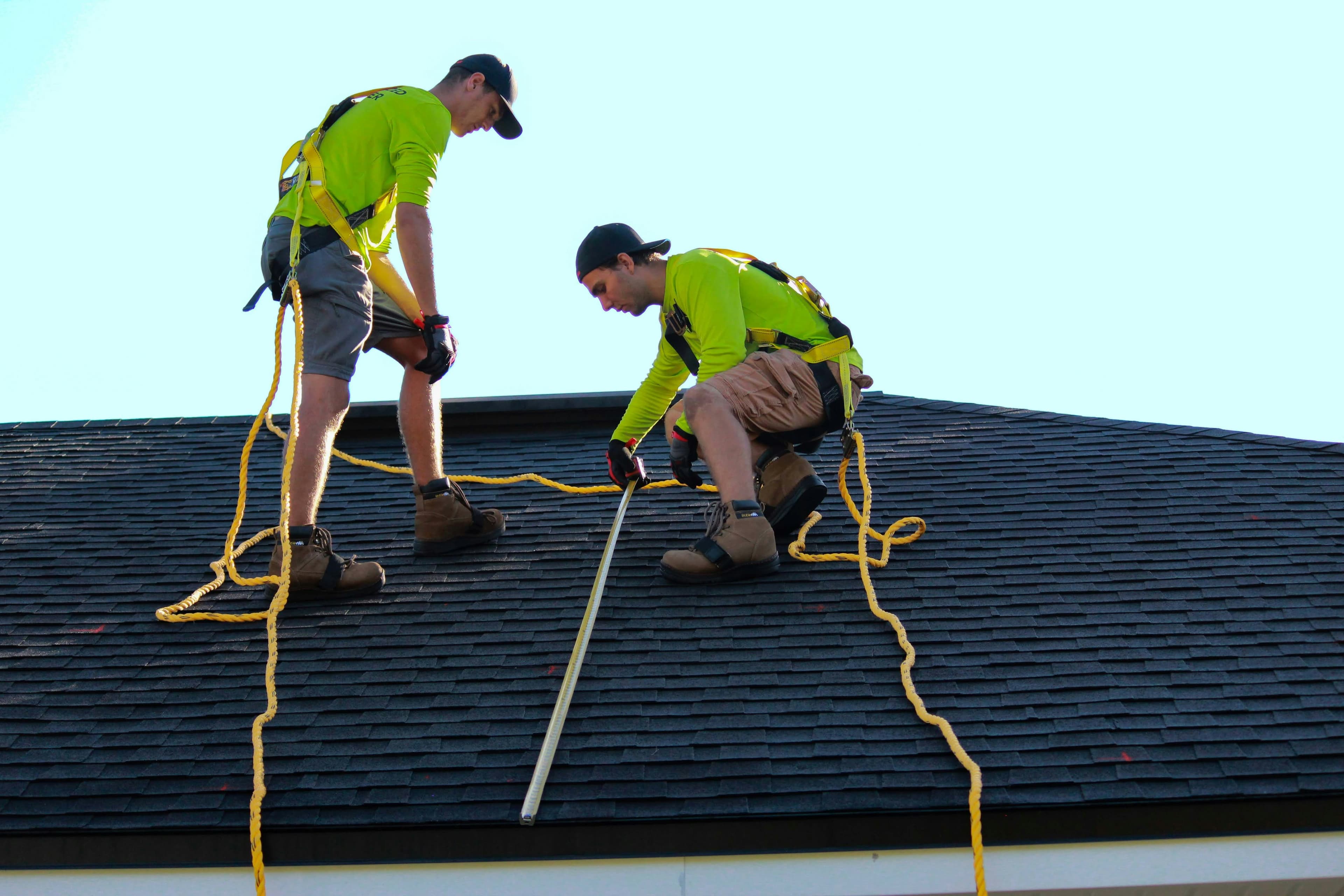
A roof replacement is one of the largest single expenses in home ownership — typically $8,000–$25,000 for a standard asphalt shingle roof. Unlike many home improvement projects, you can't defer it indefinitely: a failing roof means water damage, mold, and structural problems that cost far more to fix than the roof itself.
This guide breaks down every cost factor so you can evaluate contractor bids, plan your budget, and avoid overpaying.
Free Roofing Calculator
Enter your roof area or home square footage and get an instant material and cost estimate for shingles, underlayment, and more.
Calculate Roofing Cost →Average Roof Replacement Costs by Home Size
Roof area is larger than home footprint because of pitch and overhangs. A 2,000 sq ft home typically has 2,400–2,800 sq ft of actual roof surface.
| Home Footprint | Estimated Roof Area | Architectural Shingles | 3-Tab Shingles |
|---|---|---|---|
| 1,000 sq ft | 1,200–1,400 sq ft | $7,000–$13,000 | $5,000–$9,000 |
| 1,500 sq ft | 1,800–2,100 sq ft | $10,000–$18,000 | $7,000–$13,000 |
| 2,000 sq ft | 2,400–2,800 sq ft | $13,000–$24,000 | $9,000–$17,000 |
| 2,500 sq ft | 3,000–3,500 sq ft | $16,000–$30,000 | $11,000–$22,000 |
| 3,000 sq ft | 3,600–4,200 sq ft | $19,000–$36,000 | $14,000–$26,000 |
These ranges include materials, labor, tear-off of one existing layer, and basic flashing. Steep pitches, multiple roof planes, and significant decking damage increase cost.
How Roofing Is Measured
Roofing is measured in squares — one square equals 100 sq ft of roof surface.
How to estimate your roof area:
- Measure your home's ground footprint (length × width in feet)
- Multiply by a pitch factor based on your roof slope
| Roof Pitch | Pitch Multiplier |
|---|---|
| 3/12 (low slope) | 1.031 |
| 4/12 | 1.054 |
| 6/12 (standard) | 1.118 |
| 8/12 (steep) | 1.202 |
| 10/12 | 1.302 |
| 12/12 (very steep) | 1.414 |
Example: 2,000 sq ft home with a 6/12 pitch:
2,000 × 1.118 = 2,236 sq ft ÷ 100 = 22.4 squares
Then add 10–15% for waste, starter strips, ridge cap, and hip/valley cuts.
Roofing Material Cost Comparison
| Material | Cost per Square | 22-Square Roof | Lifespan |
|---|---|---|---|
| 3-tab asphalt shingles | $80–$130 | $1,800–$2,900 | 15–20 yrs |
| Architectural (dimensional) shingles | $110–$220 | $2,400–$4,800 | 25–30 yrs |
| Premium / designer shingles | $220–$450 | $4,800–$9,900 | 30–50 yrs |
| Metal (standing seam) | $450–$950 | $9,900–$20,900 | 40–70 yrs |
| Metal (exposed fastener) | $250–$500 | $5,500–$11,000 | 25–40 yrs |
| Synthetic slate | $400–$750 | $8,800–$16,500 | 30–50 yrs |
| Natural slate | $600–$1,500+ | $13,200–$33,000+ | 75–150 yrs |
| Cedar shake | $350–$650 | $7,700–$14,300 | 20–30 yrs |
| Flat roof (TPO/EPDM) | $250–$550 | $5,500–$12,100 | 20–30 yrs |
Architectural shingles are the most popular choice for residential homes. They cost 20–30% more than 3-tab but offer better curb appeal, higher wind resistance (typically 110–130 mph rated), and 5–10 more years of lifespan. For most homeowners, they're the better value over the life of the roof.
What's Included in a Complete Roof Replacement
A legitimate roofing quote should cover all of these components:
- Tear-off and disposal — removal of existing shingles and haul-away. One layer is standard. A second layer costs extra; a third layer is typically not allowed by code and always requires full tear-off.
- Decking inspection and repair — inspection of OSB or plywood sheathing. Damaged sheets are replaced at $60–$120 per sheet (typically 4×8 ft).
- Drip edge — metal flashing installed at the eaves and rakes to direct water off the deck. Required by most codes.
- Ice and water shield — self-adhesive waterproof membrane applied at eaves, valleys, and penetrations. Required in cold climates; 3–6 ft up from the eave.
- Synthetic underlayment — covers the full deck before shingles. Stronger and more water-resistant than old felt paper.
- Starter strips — first course of material at eaves and rakes to seal the edges.
- Field shingles — the main roof area.
- Ridge cap shingles — specialty shingles at the peak.
- Step flashing and counter flashing — at chimneys, dormers, and walls.
- Valley flashing — open metal or closed woven shingles in the roof valleys.
- Pipe boot flashing — waterproof boots around plumbing vents.
- Ventilation — ridge vent and soffit vent assessment; replacement if needed.
- Cleanup and haul-away — debris removal and magnet sweep for nails.
If any of these items are missing from a quote, ask why — it's usually not because they're not needed.
Labor Cost Breakdown
Labor typically accounts for 40–60% of a roof replacement quote.
| Labor Item | Typical Cost |
|---|---|
| Tear-off (per square) | $50–$100 |
| Installation — standard pitch (per square) | $150–$300 |
| Installation — steep pitch (per square) | $200–$400 |
| Step flashing (per linear foot) | $15–$25 |
| Chimney flashing and counter-flashing | $250–$600 |
| Skylight flashing | $150–$350 |
| Decking replacement (per 4×8 sheet) | $60–$120 |
| New ridge vent (per linear foot) | $8–$20 |
Steep roofs cost more. Pitches above 8/12 require special safety harnesses, slows progress, and limits team size — expect 20–40% more in labor for steep residential roofs.
Tear-Off vs. Roof-Over
Installing new shingles over an existing layer (a "roof-over") costs 15–25% less than a full tear-off and can be done in a day on a small roof.
When a roof-over makes sense:
- The existing layer is flat, not curled or badly buckled
- You have only one existing layer (most codes allow a maximum of two total)
- Budget is the primary constraint
When a full tear-off is better:
- You have two existing layers (full tear-off required by code for a third)
- You want to inspect and repair decking
- Your shingle manufacturer requires it for full warranty coverage
- Your homeowner's insurance requires it for coverage of the new roof
- The existing shingles are severely deteriorated
Most professional roofers recommend tear-off whenever possible. Roof-overs hide decking problems and can cause the new shingles to lie unevenly over bumps in the old layer.
Factors That Increase Roofing Cost
- Multiple roof planes — more hips, valleys, and transitions mean more waste, cuts, and flashing
- Chimneys and skylights — each penetration adds $150–$600 in flashing labor
- Very steep pitch — above 10/12, expect 30–50% premium on labor
- Rotted or damaged decking — budget $60–$120 per sheet as contingency
- Limited access — two-story homes, tight lots, or landscaping around the perimeter slows work
- Premium underlayment or ice shield upgrades — worth it in northern climates
- Geographic market — labor rates in coastal or high-cost metros run 30–50% above the national average
How to Evaluate a Roofing Quote
A thorough quote should include:
- Number of squares (verify they measured correctly — a 2,000 sq ft home should be 20–25 squares)
- Specific product name and color (not just "architectural shingles")
- Underlayment type (synthetic vs. #30 felt — always prefer synthetic)
- Ice and water shield coverage (how many linear feet or squares)
- Flashing details (new flashing? or reusing existing?)
- Decking repair allowance (number of sheets included before additional cost)
- Payment schedule (30% or less deposit; never full payment upfront)
- Warranty terms (manufacturer material warranty + contractor workmanship warranty)
Get at least 3 bids. A 20–30% range between bids is normal and often reflects different material specs. A 50%+ spread almost always means one bidder is cutting corners on materials or skipping components.
Estimate Your Roofing Project
Enter your roof size or home footprint to get an instant material and cost breakdown — including shingles, underlayment, and ridge cap.
Open Roofing Calculator →Frequently Asked Questions
How long does a roof replacement take? Most single-family homes are completed in 1–3 days. Larger homes, steep pitches, multiple skylights or chimneys, or significant decking repair can extend this to 4–5 days. Weather delays are common — most roofers won't install in rain.
What time of year is cheapest for roof replacement? Late fall and early winter (October–February) are slower periods for most roofing contractors in northern states, and 5–15% discounts are sometimes available for off-season scheduling. However, cold temperatures affect shingle sealing — most manufacturers require temperatures above 40°F during installation for the adhesive strips to bond properly.
Will homeowner's insurance cover my roof replacement? Homeowner's insurance covers sudden storm damage — hail, wind, falling trees. It does not cover normal wear and deterioration. If you have storm damage, document it before filing a claim: look for round dents on metal gutters, vents, and downspout caps (signs of hail), or missing/lifted shingles (wind). Get a professional inspection before calling your adjuster.
Repair or replace — how do I decide? Repair makes sense for isolated damage on a roof under 15 years old in otherwise good condition. Replace when: the roof is near the end of its rated lifespan, damage covers more than 25–30% of the surface, shingles are granule-depleted or curling, or you have active leaks from multiple points.
What's the best shingle brand? GAF, Owens Corning, and CertainTeed are the three dominant brands, all offering comparable quality at similar price points. The installer matters more than the brand. Manufacturer-certified contractors (GAF Master Elite, Owens Corning Preferred) can offer enhanced warranties of 50 years on materials and 25 years on workmanship — worth asking about.
Does a new roof increase home value? Yes. The Remodeling Cost vs. Value report shows a midrange roof replacement returns approximately 60–68% of cost at resale — one of the higher returns among exterior improvement projects. It also enables the sale: buyers and their lenders will flag a failing roof, and you'll typically be asked to replace it or reduce the sale price anyway.
How many layers can a roof have before it must be torn off? Most building codes in the US allow a maximum of two shingle layers total. A third layer is prohibited in most jurisdictions and will almost always be rejected by insurance companies. If your home already has two layers, a full tear-off is required before any new shingles can be installed.
Founder of BuildCost. Combines hands-on construction and trades experience with years of managing his own home renovation projects and a data and research background that drives how BuildCost aggregates and regionalizes cost data.
More about Michael →